Woolrec represents a modern solution to one of the textile industry’s most pressing challenges: waste management and environmental impact. As global demand for clothing continues to grow, so does the need for responsible production and recycling methods. Woolrec stands at the intersection of sustainability and innovation, focusing on recovering and reprocessing wool materials to create new value while reducing environmental strain.
The textile sector has long been associated with resource consumption, water usage, and landfill accumulation. Woolrec aims to change that narrative by promoting circular practices that extend the lifecycle of wool fibers. Instead of discarding worn garments or manufacturing excess, Woolrec encourages regeneration, reuse, and responsible sourcing.
In a world increasingly conscious of climate change and ethical production, Woolrec reflects a forward-thinking approach. By combining advanced recycling technology with environmental awareness, it offers a pathway toward a cleaner, more responsible fashion industry.
Woolrec and the Evolution of Wool Recycling Practices
Recycling textiles is not a new concept, but modern advancements have refined its efficiency and scalability. Woolrec builds upon traditional wool recovery techniques while incorporating innovative processing systems that preserve fiber quality.
Historically, wool production thrived in countries such as Australia, New Zealand, and United Kingdom. These nations have long-standing agricultural traditions centered on sheep farming and wool exports. However, with the rise of synthetic fibers and fast fashion, wool waste increased significantly.
Woolrec addresses this imbalance by reintroducing discarded wool into the manufacturing cycle. Mechanical recycling methods carefully break down old garments into reusable fibers. Advanced sorting technologies ensure purity and consistency, allowing recycled wool to meet modern quality standards.
By integrating these processes, Woolrec demonstrates how heritage materials can align with contemporary sustainability goals. This evolution reflects a broader industry shift toward circular economy models.
Woolrec Sustainable Production and Environmental Impact
Environmental responsibility lies at the core of Woolrec philosophy. Traditional textile production often involves high water consumption, chemical dyes, and energy-intensive manufacturing. Woolrec minimizes these impacts by prioritizing recycled input over raw material extraction.
Recycling wool reduces landfill waste and decreases the need for additional sheep farming expansion. While wool is biodegradable, discarded garments still contribute to landfill volume when not managed properly. Woolrec systems divert these materials from waste streams and reintroduce them into productive use.
Energy efficiency is another critical factor. Recycling fibers typically requires less energy than producing new textiles from scratch. By optimizing mechanical processing and reducing chemical dependency, Woolrec supports lower carbon emissions.
Water conservation also benefits from this approach. Reprocessed fibers often require less washing and treatment compared to newly sheared wool. These cumulative savings contribute to a smaller environmental footprint and align with global sustainability targets.
Woolrec Innovation in Fiber Technology and Quality Control
One of the main challenges in textile recycling is maintaining fiber strength and durability. Woolrec invests in research and development to enhance recycled fiber performance. Improved blending techniques combine regenerated wool with small percentages of new fibers to maintain structural integrity.
Quality control measures ensure consistency in texture, color, and resilience. Automated sorting systems separate fabrics by composition, preventing contamination from synthetic blends. This precision enables Wolrec to produce high-quality yarn suitable for garments, upholstery, and industrial textiles.
Technological advancements also allow color recovery without excessive dyeing. By sorting materials according to shade, Wolrec reduces reliance on chemical dyes, further minimizing environmental impact.
Innovation does not stop at fiber processing. Woolrec explores smart textile applications, including thermal insulation materials and sustainable packaging solutions. These expansions demonstrate the versatility of recycled wool beyond traditional clothing.
Woolrec and the Circular Economy Model
The circular economy emphasizes reuse, regeneration, and minimal waste. Woolrec embodies these principles by transforming post-consumer and post-industrial wool waste into valuable resources. Instead of following a linear path from production to disposal, Wolrec closes the loop.
Collaboration with fashion brands and manufacturers strengthens this model. Companies committed to sustainability can integrate recycled wool into their collections, reducing reliance on virgin materials. Woolrec partnerships create transparency and accountability within supply chains.
Consumer awareness also plays a vital role. Encouraging individuals to return old garments rather than discard them supports recycling systems. Wolrec initiatives often include collection programs that make participation convenient and accessible.
By reinforcing a circular mindset, Wolrec contributes to systemic change within the textile sector. This approach fosters resilience and long-term resource efficiency.
Woolrec Economic Benefits and Industry Opportunities
Sustainability and profitability are not mutually exclusive. Woolrec demonstrates that responsible practices can create economic value. Recycling operations generate employment opportunities in sorting, processing, and manufacturing sectors.
Reduced raw material costs also enhance competitiveness. As natural resource prices fluctuate, recycled inputs offer stability. Woolrec enables manufacturers to mitigate supply chain disruptions while maintaining quality standards.
Innovation in recycled wool products can open new markets. Eco-conscious consumers increasingly prefer brands that prioritize sustainability. By incorporating Wolrec materials, companies strengthen their environmental credentials and attract responsible buyers.
Additionally, governments and regulatory bodies often provide incentives for sustainable production. Wolrec operations may benefit from grants or tax advantages linked to environmental initiatives, further supporting growth.
Woolrec Global Influence and Market Expansion
The demand for sustainable textiles continues to rise across continents. Woolrec strategies align with environmental movements in regions such as Europe, North America, and Asia. These markets increasingly emphasize responsible sourcing and waste reduction.
International collaborations enable Woolrec to expand its reach. Partnerships with global fashion houses and independent designers amplify visibility. By showcasing recycled wool collections on international platforms, the concept gains recognition and acceptance.
Export potential further enhances growth prospects. Recycled wool yarn and finished products can be distributed worldwide, supporting cross-border sustainability efforts.
Education campaigns and industry conferences also contribute to awareness. Wolrec often serves as a case study for innovative recycling systems, inspiring similar initiatives in other textile segments.
Woolrec Consumer Awareness and Responsible Fashion Choices
Consumers hold significant power in shaping industry trends. Woolrec initiatives encourage mindful purchasing and garment care. Extending the lifespan of clothing reduces the frequency of replacement and supports recycling efforts.
Label transparency helps buyers understand the environmental impact of their choices. Garments made with Wolrec materials can include clear information about recycled content and production methods.
Community engagement programs further promote awareness. Workshops, social media campaigns, and partnerships with educational institutions foster dialogue about sustainable fashion.
By empowering consumers with knowledge, Woolrec strengthens demand for recycled products. This demand reinforces supply chain transformation and encourages broader adoption of circular practices.
Woolrec Challenges and Future Innovations
Despite its progress, Woolrec faces challenges common to recycling industries. Collecting sufficient high-quality wool waste requires coordinated logistics. Contamination from blended fabrics complicates processing.
Ongoing research addresses these issues. Advanced fiber separation technologies and improved garment labeling can enhance material recovery. Wolrec continues to refine processes to increase efficiency and scalability.
Future innovations may include biodegradable performance blends and digital tracking systems for textile lifecycle monitoring. By integrating technology with sustainability, Wolrec positions itself at the forefront of textile transformation.
As climate concerns intensify, regulatory frameworks may further encourage recycling adoption. Wolrec remains adaptable, prepared to align with evolving standards and consumer expectations.
Woolrec A Vision for a Responsible Textile Future
Woolrec represents more than a recycling initiative; it symbolizes a shift in industry mindset. By prioritizing regeneration over waste, it demonstrates how tradition and innovation can coexist. Wool, one of humanity’s oldest textile fibers, gains renewed relevance through responsible processing.
The integration of advanced technology, ethical sourcing, and consumer participation forms the foundation of this transformation. Wolrec illustrates that sustainable change requires collaboration across supply chains and communities.
As the fashion industry continues evolving, initiatives like Wolrec offer hope for a cleaner and more efficient future. By reducing environmental impact, supporting economic growth, and promoting awareness, Wolrec reshapes textile production into a more balanced and resilient system.
Through dedication to sustainability and continuous improvement, Woolrec stands poised to lead the movement toward a greener tomorrow, ensuring that natural fibers remain part of responsible fashion for generations to come.
Related Posts
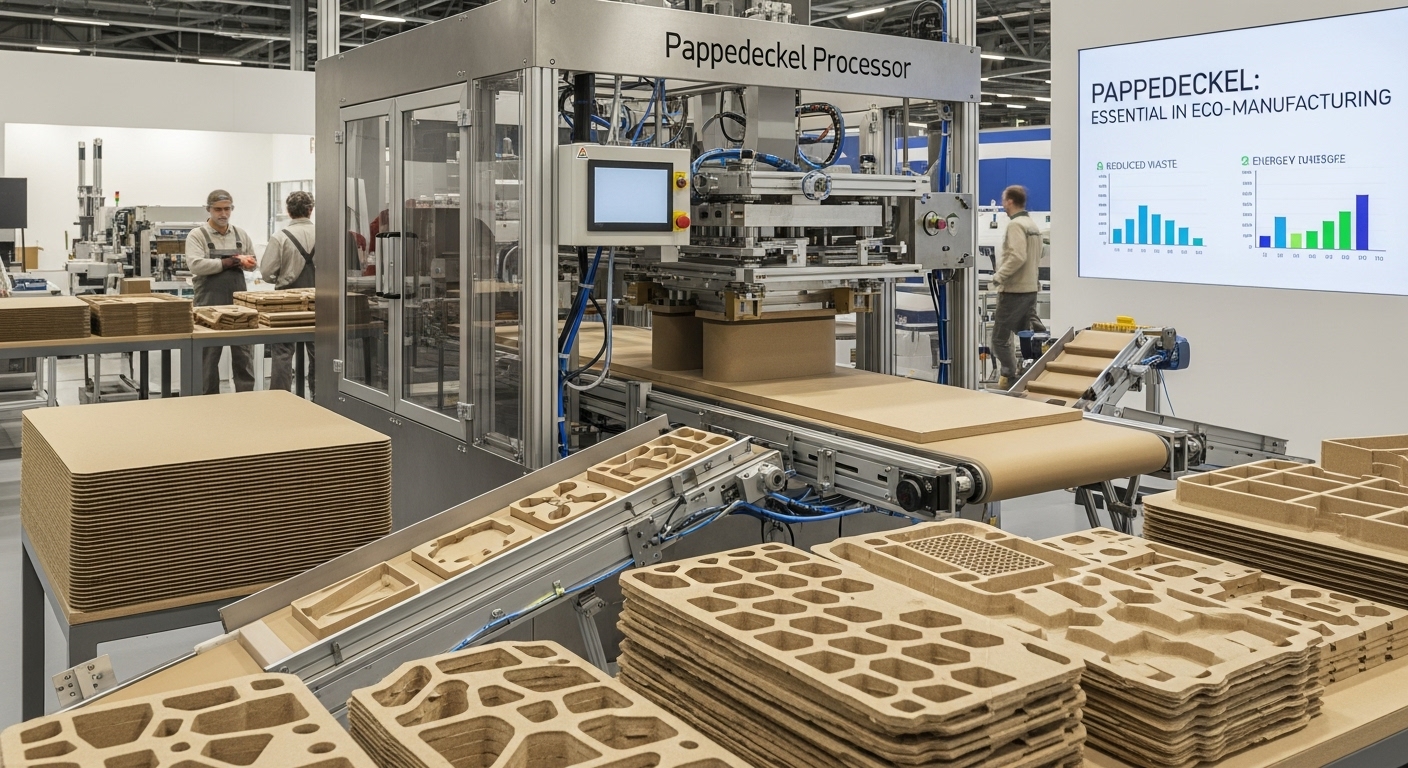
Pappedeckel: Is Becoming Essential in Eco-Friendly Manufacturing
Although the term "pappedeckel" describes a robust paper-based substance that…

Plangud: The Smart Way to Organize and Thrive in a Modern World
In a world where clarity and direction are more valuable…

Crocolini: Discover the Flavorful Charm of Modern Culinary Favorite
Crocolini has quickly become a popular keyword in modern food…