Key Takeaways
- Digital networking tools make it possible to collaborate and communicate globally with ease.
- They help businesses effectively manage remote teams, leading to reduced operating costs.
- Integrated real-time analytics improve business decision-making processes.
- Organizations can scale their operations and pursue new international markets efficiently.
- Embracing these tools is vital for maintaining a competitive advantage in today’s business world.
In today’s highly connected world, digital networking tools are fundamentally changing the way businesses operate and succeed on a global stage. These innovative tools remove traditional barriers, allowing seamless communication, collaboration, and expansion across borders. With the growing complexity and competitiveness of the marketplace, solutions such as SD-WAN for enterprise are essential for organizations that want to harness worldwide opportunities. Companies now have unprecedented access to international markets and can streamline their business operations through real-time connectivity and information sharing.
The adoption of these technologies empowers businesses of all sizes to scale, innovate, and maintain a competitive edge. Digital networking tools also enable teams to interact as effectively as if they were in the same room, dramatically improving productivity regardless of physical location. Whether a business is seeking to reach new customers or build distributed teams, network-driven solutions open a new world of possibilities.
Technology-driven communication platforms are constantly evolving, and the benefits of leveraging the latest solutions extend far beyond simple convenience. With the world’s workforce becoming increasingly mobile and global, both small and large enterprises are leveraging digital tools to stay ahead. Decision-makers must prioritize these resources if they intend to thrive in volatile, fast-changing markets.
Facilitating Seamless Global Collaboration
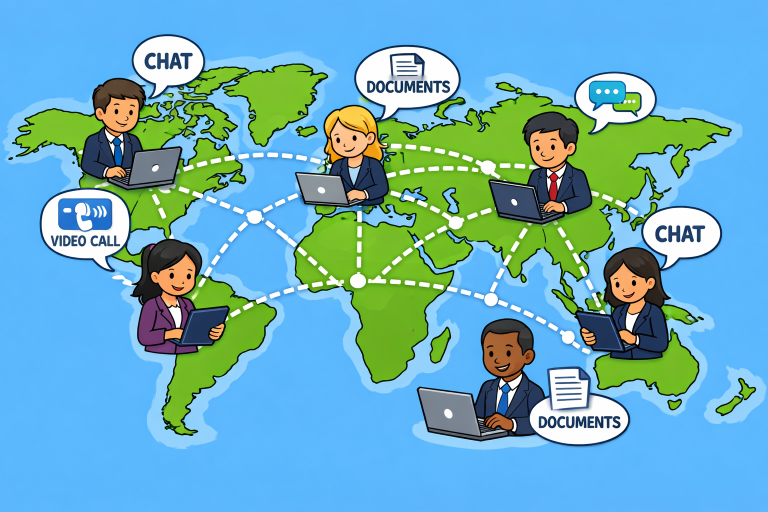
Digital networking tools make it easier than ever for teams to work together across continents. Applications like Slack, Zoom, and Microsoft Teams break down communication barriers, fostering instant messaging, video conferencing, and document sharing. This real-time collaboration allows employees from Tokyo to Toronto to contribute, innovate, and solve problems jointly. Project management becomes more agile, and information travels faster than ever before, eliminating the delays and inefficiencies that once hampered progress in international operations.
Managing Remote Teams Effectively
The shift toward remote work has accelerated the need for reliable digital networking tools. Businesses can now recruit, onboard, and lead teams from anywhere in the world, building richer skill sets and drawing on diverse experiences. Tools like Trello and Asana facilitate transparency in workflow, enabling managers to assign tasks, track progress, and ensure deadlines are met without face-to-face supervision. This decentralized approach to team management reduces office costs and improves access to global talent while keeping teams productive and connected.
In addition to core collaboration and communication platforms, many organizations are integrating digital networking tools that focus on fostering workplace culture and socialization, even in remote environments. Platforms such as Donut or Watercooler enable spontaneous virtual coffee chats or conversations, strengthening team morale and employee engagement across distances. As companies strive to maintain a unified culture, these tools are helping bridge the human connection gap, making remote employees feel included and valued.
Enhancing Decision-Making with Real-Time Data
Making informed decisions quickly is essential for business success. Many digital networking platforms offer built-in analytics and reporting features, which provide invaluable insights into team performance, project milestones, and resource utilization. By monitoring these data points in real time, leaders can pivot strategies swiftly and make proactive adjustments based on accurate, up-to-date information. Businesses that rely on real-time analytics are less likely to lag behind their competitors, as they can identify market trends and internal bottlenecks before they escalate.
Moreover, these advanced analytics features not only support the identification of challenges but also highlight growth opportunities and reveal patterns within global operations that might otherwise go unnoticed. With artificial intelligence and machine learning increasingly integrated into digital networking tools, organizations can automate data-driven tasks, forecast trends, and enhance operational efficiency further. This shift encourages leaders to adopt a proactive stance, making digital intelligence a central pillar of strategic planning.
Scaling Operations and Reaching International Markets
Scaling a business across borders used to mean building an expensive physical presence abroad. Today, digital networking tools and cloud-based services allow companies to serve international customers and manage supply chains virtually. E-commerce, customer support, and internal operations can all be managed from a centralized digital platform, forgoing the overhead of setting up in new markets. Smaller firms, in particular, benefit from being able to compete with larger organizations on a more equal footing, seizing opportunities in emerging markets and rapidly responding to consumer demands.
Beyond the facilitation of operations, the strategic use of digital tools promotes a culture of innovation and inclusivity. Diverse, distributed teams bring new perspectives to the table, and the technology allows even the smallest players to think big and act globally.
Staying Competitive in the Modern Business Landscape
The rapid pace of digital transformation means that agility and adaptability are key. Companies that adapt to digital networking tools benefit from faster response rates to customer needs, improved internal communication, and the potential for continuous innovation. Legacy processes and systems can no longer keep pace with the demands of today’s consumers or the ambitions of modern enterprises. The willingness to embrace change and invest in advanced technologies will determine who leads in the marketplace and who risks being left behind.
Additionally, as industries across the globe become more digitized, the demand for cybersecurity and secure networking intensifies. Employing digital networking tools with robust security features helps organizations protect sensitive data, comply with international regulations, and maintain customer trust. Implementing secure solutions can safeguard intellectual property and maintain operational continuity, which are vital for both multinational corporations and growing startups. As data breaches grow more sophisticated, a commitment to network security through advanced technology has become a non-negotiable business imperative.
Conclusion
Digital networking tools have become fundamental to modern business, enabling companies to collaborate globally, manage remote teams, harness real-time data, and expand into new markets. Adopting these tools is no longer a choice but a necessity for anyone who wants to remain relevant and competitive. As the world becomes ever more interconnected, organizations must leverage these technologies to innovate, scale, and succeed in a rapidly evolving business environment.
Related Posts

Sankkucomplex: Enhance digital life with invention, mobility & society
Sankkucomplex represents a new vision for integrated urban development where…

Bodenxt: Unlock the future in Digital Innovation & Smart Technology
The concept of bodenxt is gradually emerging as a term…

Nelonium: Exploring a Concept Shaping Modern Innovation
The term nelonium is gaining attention as a symbol of…